Corrective Exercises for Rounded Shoulders
If you spend long hours at a desk, on your phone, or driving, chances are your shoulders are gradually pulling forward—leading to poor posture, tight chest muscles, and weak upper back support. This can cause tension, pain, and eventually limit your movement.
This targeted list of exercises is designed to help correct rounded shoulders by:
This list focuses on restoring mobility, scapular stability, motor control, and posture awareness.
It is designed to help correct rounded shoulders by:
• Releasing tight chest and neck muscles
• Strengthening the upper back, scapular stabilizers, and posterior shoulder
• Improving thoracic spine mobility and postural awareness
Drawing on functional training, and mindful movement techniques, these exercises are simple, effective, and easy to integrate into your daily routine.
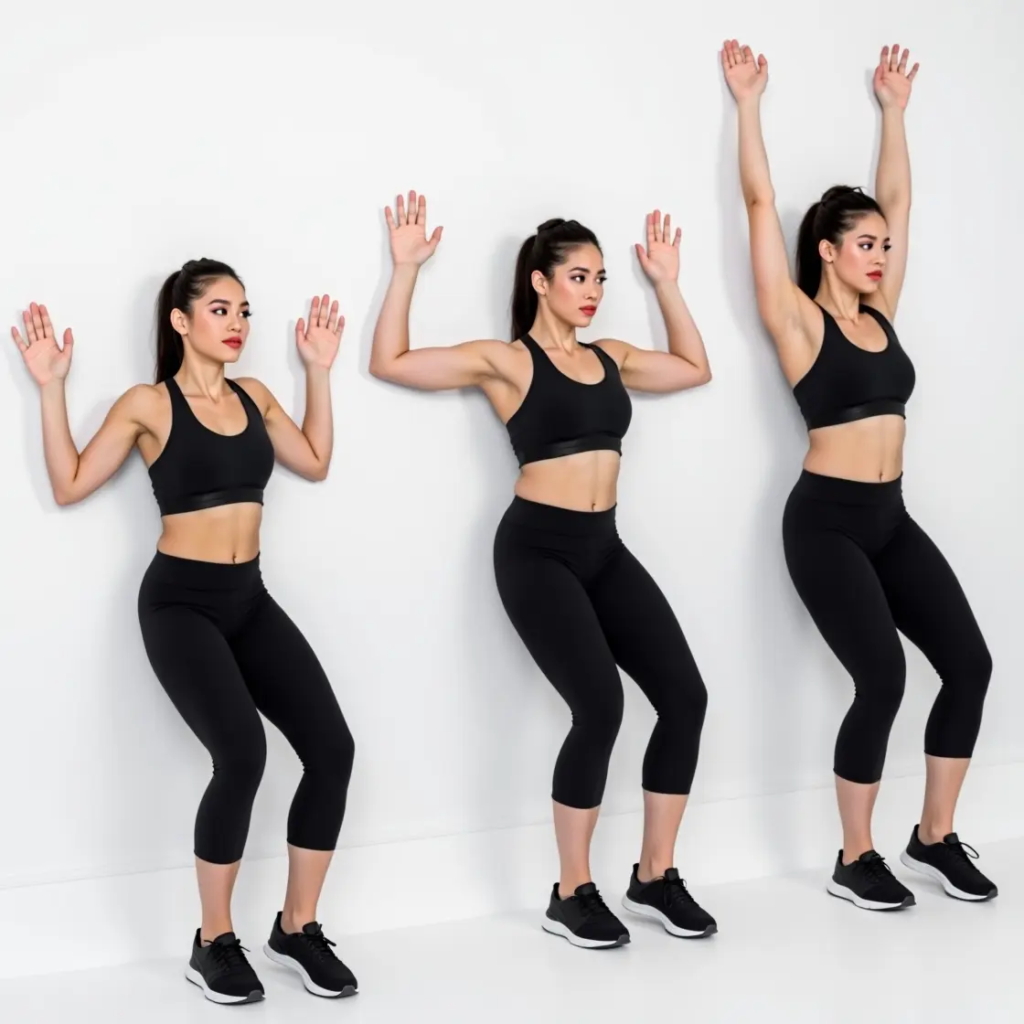
1. Wall Angels
- Mobilize the scapula and reinforce proper shoulder blade movement along the thoracic spine.
- Stand with your back flat against the wall, arms in goalpost position. Slowly slide arms up and down, keeping contact with the wall.
- 2–3 sets of 8–10 slow reps.
2. Doorway Pec Stretch
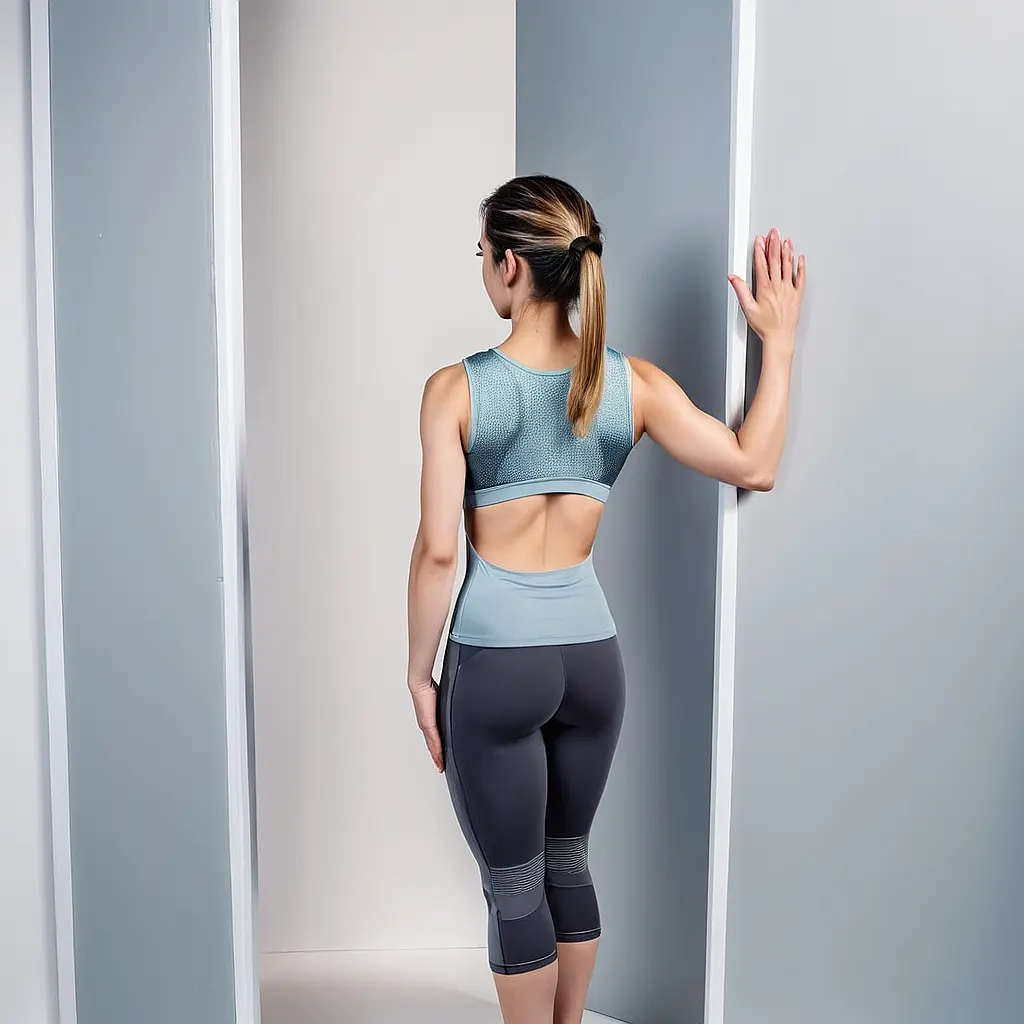
- Lengthen tight chest muscles that pull shoulders forward and restrict posture.
- Place forearms on a doorway frame and gently lean forward to feel a stretch across the chest.
- Hold for 30 seconds, repeat 2–3 times.
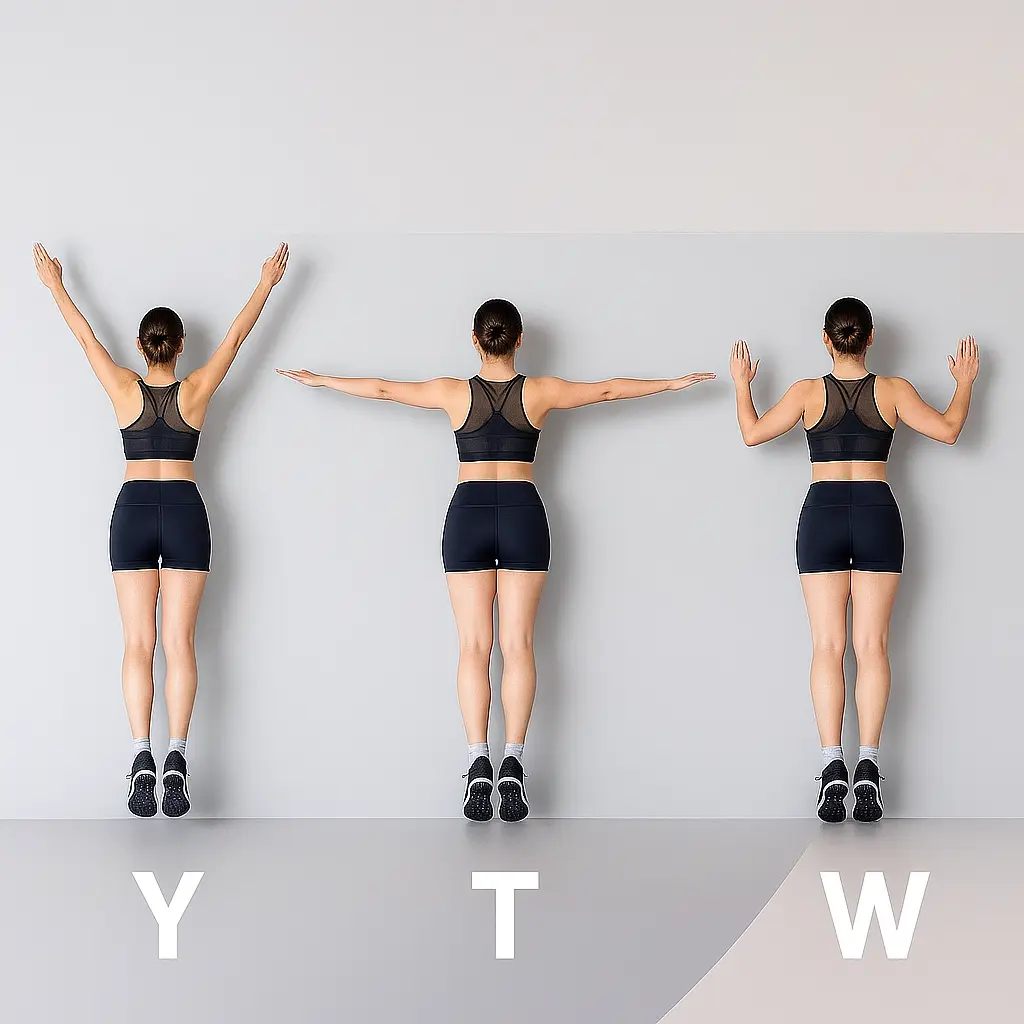
3. Prone Y-T-W Raises
- Strengthen mid and lower traps and scapular stabilizers, essential for pulling shoulders back.
- Lie face down; lift arms in Y, T, then W positions, squeezing shoulder blades each time.
- 2 sets of 8 reps per position.
4. Band Pull-Aparts
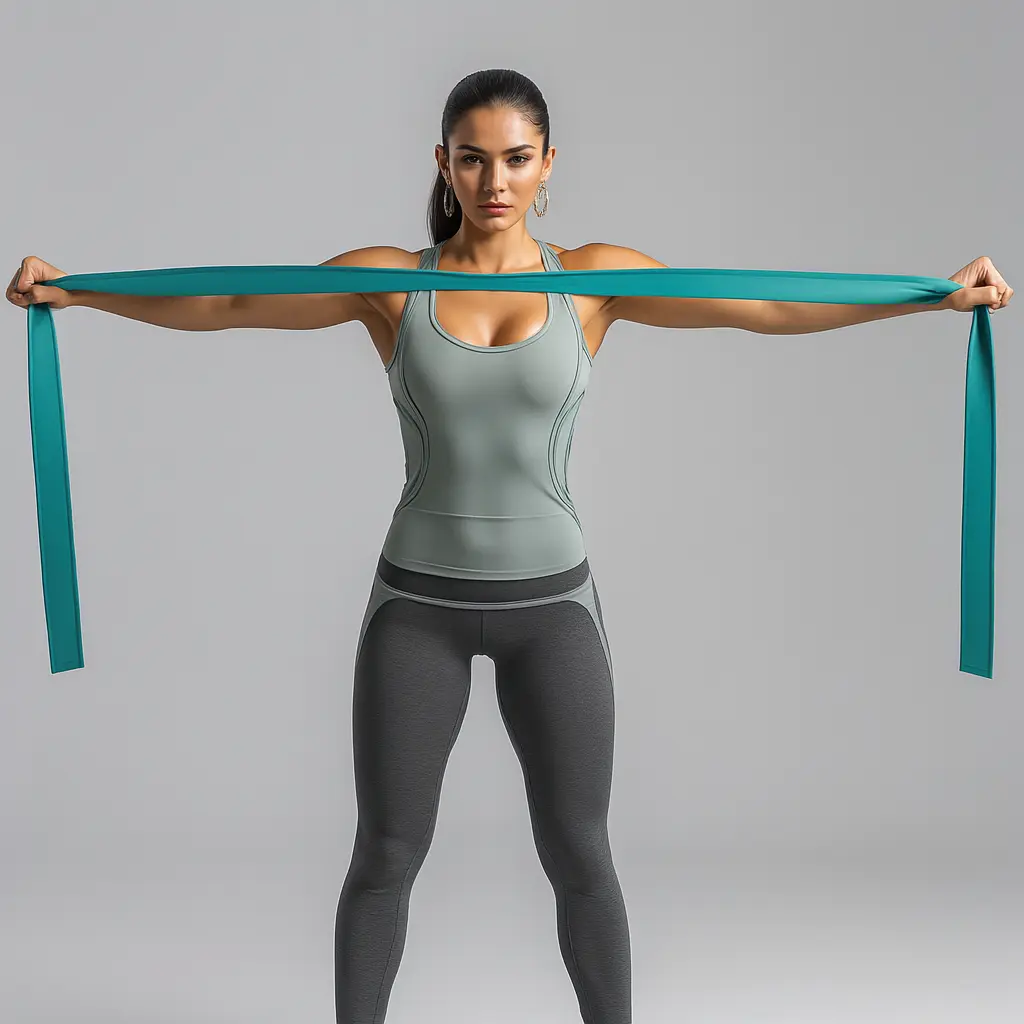
- Activate posterior shoulder muscles (rhomboids, rear delts) to improve scapular retraction.
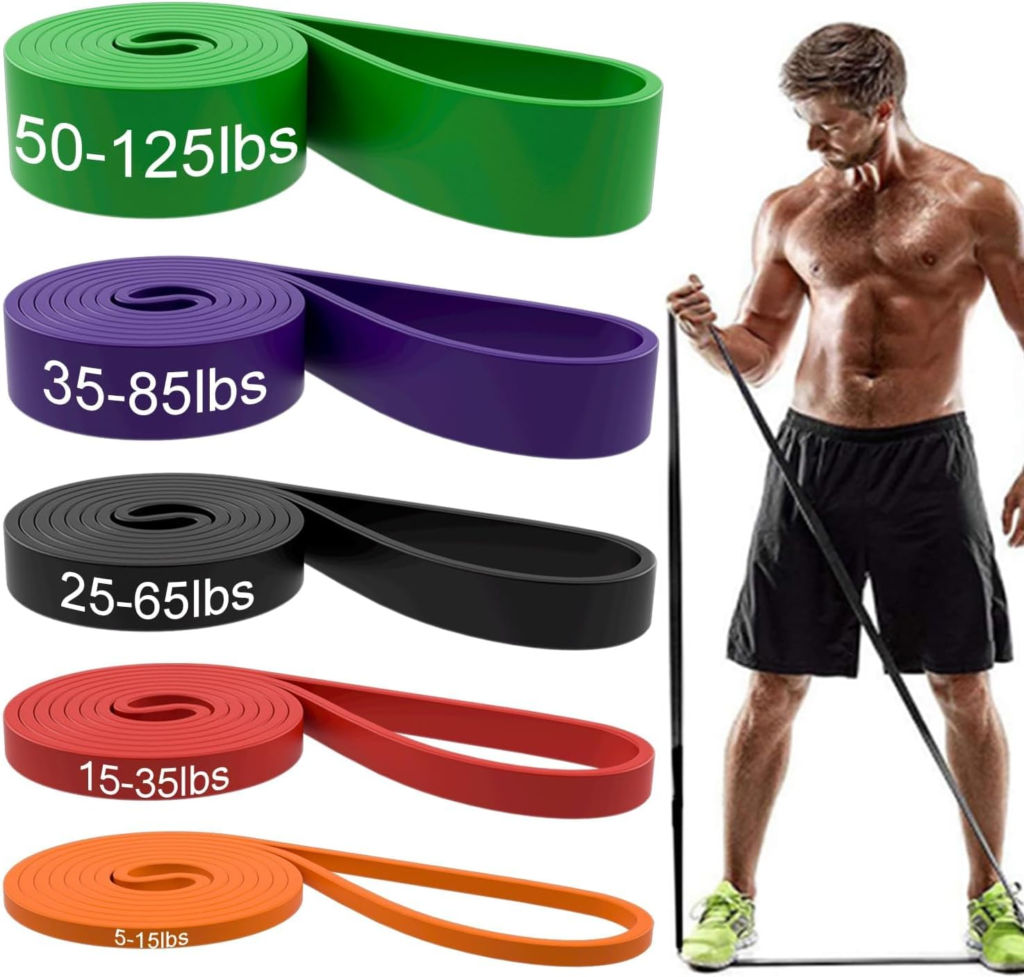
- Hold a resistance band at shoulder height and pull apart by squeezing shoulder blades together.
- 3 sets of 12–15 reps.
5. Chin Tucks
- Strengthen deep cervical flexors to correct forward head posture often accompanying rounded shoulders.
- Tuck chin gently straight back without tilting the head up or down.
- 10 slow reps, 2–3 times daily.
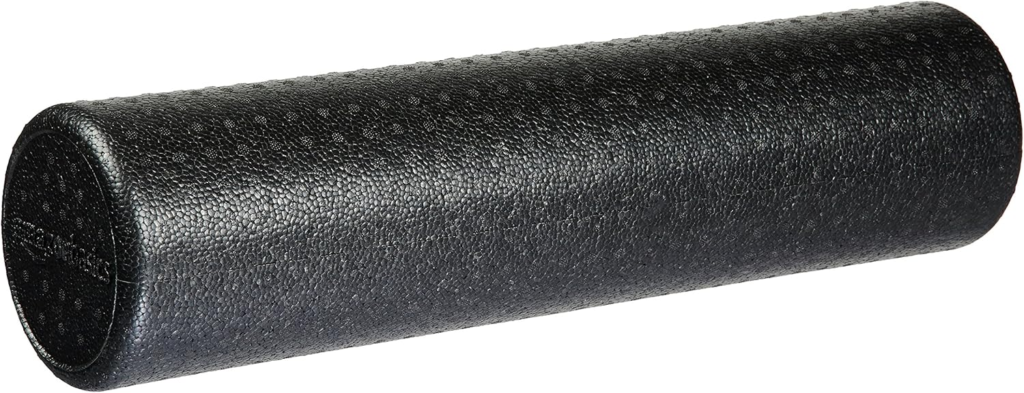
6. Thoracic Spine Extension on Foam Roller
- Restore mobility in the upper back to counteract the flexed, rounded posture.
- Lie on a foam roller placed horizontally under the thoracic spine and gently extend backward over it.
- 8–10 repetitions, hold on tight spots for 2–3 breaths.
7. Half-Kneeling Chop and Lift
- Improve core stability and dynamic shoulder control.
- Using a band or cable, move arms diagonally while maintaining upright posture and stable hips.
- 2–3 sets of 8–10 reps each direction.
8. Resisted Scapular Retractions
- Use a resistance band or cable to practice squeezing shoulder blades down and back without shrugging.
- Builds scapular control and counteracts the protracted posture.
- 2–3 sets of 12 reps.
9. Quadruped Rocking with Scapular Control
- Promotes scapular stability and teaches control during movement transitions.
- From all fours, rock hips backward toward heels, keeping scapulae stable and shoulder blades slightly retracted.
- 10–15 gentle reps.
10. Wall Slide with Scapular Retraction
- Combines scapular upward rotation with retraction for optimal shoulder positioning.
- Similar to wall angels, focus on squeezing shoulder blades down and back as you raise arms overhead.
- 2 sets of 10 slow reps.
Bonus Tip: Always focus on slow, controlled movement and mindful breathing to reinforce proper neuromuscular patterns. Consistency and posture awareness throughout your day are key to lasting improvement.
Disclaimer: This content is for educational purposes only and does not replace individual medical advice. If you’re experiencing pain, injury, or have a pre-existing condition, please consult a physiotherapist or qualified healthcare professional before beginning any new exercise routine.